Should I Replace My Deck in 2026?
How to Tell If Your Deck Is Still Safe – or Needs a Full Replacement?
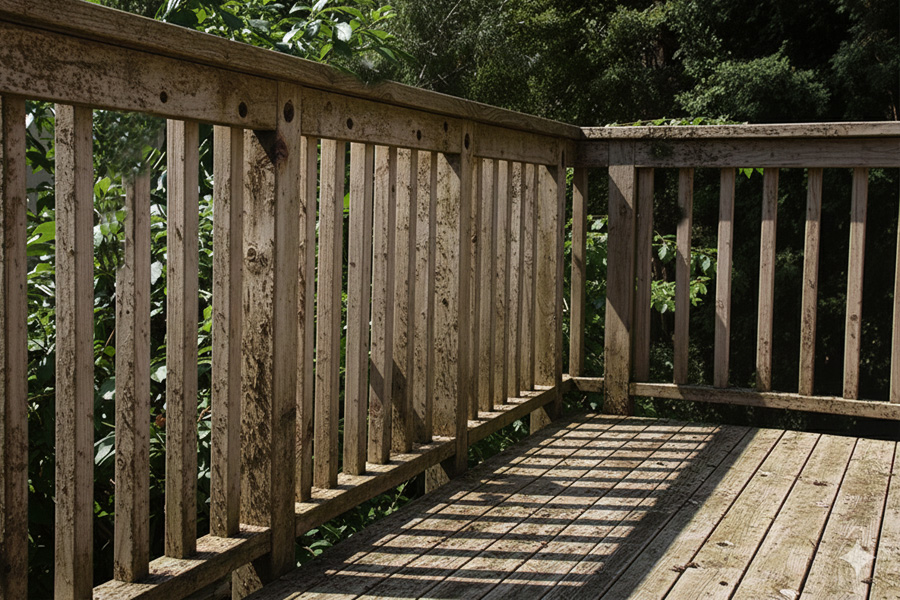
You step onto your deck with a cup of coffee in hand. The boards look a bit weather worn; the railings feel a little off kilter. It’s still there for you every day, but maybe the boards creak more than they used to.
Should you schedule that big family party this summer? You pause and wonder whether your old deck is still safe, or if it is time to replace it.
In the San Antonio area, many decks built between 2005 and 2010 are reaching the 15–20 year mark. In South Texas, that age matters. Sun exposure, humidity, termites, and shifting soil all shorten a deck’s usable life.
At Apex Deck Co., we hear the same concern often. Homeowners want clear answers, not sales pressure. They want to know if repairs make sense or if replacement protects their family better. This guide walks through how to tell the difference.
Why Decks Age Faster in the San Antonio Area
San Antonio weather works hard on outdoor structures. The sun stays intense most of the year. Humidity pushes moisture into small gaps. Heavy rain comes fast, then bakes dry again. Expansive clay soil shifts under deck footings.
Termites also remain active year-round. They do not wait for visible damage to appear. By the time issues show up, the structure may already be compromised.
A well-built deck can last decades with care. Poor drainage, skipped maintenance, or outdated construction methods speed up failure. Age alone does not make a deck unsafe. Local conditions put pressure on every weak point they can.
How to Start a Basic Deck Inspection at Home
You can learn a lot from a careful walk-around. Choose a dry day and move slowly. Pay attention to what you see and feel.
Start with the walking surface. Look for deep cracks, splintering, or boards that feel soft underfoot. Surface weathering is normal. Spongy wood is not.
Next, test the railing. Grip it firmly and apply light pressure. Railings should feel solid and secure. Any independent movement deserves attention.
Look underneath the deck if possible. Sagging joists, separating beams, or pulled fasteners signal structural stress. Gaps at connection points often worsen over time.
Also watch for pest activity. Mud tubes suggest termites. Small round holes point to carpenter bees. Ant trails near joints often indicate moisture problems.
Warning Signs That Should Raise Immediate Concern
Some deck issues go beyond routine upkeep. These signs often indicate deeper structural problems.
- Widespread wood rot
- Sinking or shifting support posts
- Loose ledger boards where the deck meets the house
- Rusted, missing, or improper fasteners
- Stair movement or uneven tread heights
- Repairs that fail repeatedly
When several of these issues appear together, safety risk increases. Repairs may only delay failure instead of solving it.
When a Visual Check Is Not Enough
Many critical deck components stay hidden. Ledger boards sit behind siding. Fasteners corrode inside joints. Footings settle below grade.
A professional deck inspection evaluates load paths and attachment points. It also checks current code compliance. Many older decks were built before today’s safety standards existed.
Professional assessments often save money. They prevent unnecessary repairs and highlight problems early. Sometimes the best result confirms your deck remains sound. That peace of mind matters.
Repair or Replace: How to Decide Practically
Not every aging deck needs replacement. Some repairs make sense.
Repairs usually work when damage stays limited. Examples include a few rotted boards, loose railing sections, or surface wear. If repairs affect less than 20 percent of the structure, repairs often remain cost-effective.
However, industry professionals use a common benchmark. If repairs approach 50 percent of replacement cost, replacement usually makes more sense. Patchwork fixes add up fast and rarely extend lifespan significantly.
Replacement resets the clock. It solves root problems instead of masking them.
The Hidden Cost of Repeated Repairs
Repairs often feel cheaper upfront. Over time, they usually cost more.
Old framing stays in place. New boards attach to weakened structures. Code violations remain unresolved. Confidence never fully returns.
Repeated repairs also disrupt your space again and again. Replacement provides long-term stability and peace of mind.
How Building Codes Have Changed
Modern deck codes focus heavily on safety. Many older decks fail today’s standards.
Updated requirements often include stronger ledger attachment, proper flashing, improved railing height, and better stair geometry. Corrosion-resistant fasteners also play a major role.
Code-compliant decks last longer and protect families better. Replacement allows these upgrades to happen together.
Modern Materials Improve Longevity
Today’s materials outperform those used 15 years ago. Composite decking resists moisture and insects far better than early versions. Improved framing techniques reduce movement. Better hardware slows corrosion.
Replacement creates an opportunity to choose materials that fit your lifestyle. Lower maintenance often becomes part of that decision.
What a Professional Deck Assessment Includes
A professional assessment looks beyond surface damage. It evaluates structure, attachment points, footings, and code compliance. It also considers whether repairs will truly extend lifespan.
At Apex Deck Co., inspections focus on education. Sometimes the answer is reassurance. Sometimes replacement protects safety best. Providing our customers and neighbors with honest guidance means a lot to us.
Making a Confident Decision for 2026
Your deck should support your life, not create doubt. If it shows early wear, monitor it closely. If it shows widespread structural issues, act sooner rather than later.
Safety always comes first. Short-term savings should never outweigh risk.
A professional assessment provides clarity. It protects your family and your investment.
Final Thoughts: Confidence Comes From Knowing
Whether you repair, replace, or wait, confidence matters. Knowing the true condition of your deck helps you plan wisely.
At Apex Deck Co., we believe informed homeowners make better decisions. Sometimes the best outcome is reassurance. Sometimes replacement makes sense. Either way, clarity brings peace of mind.
Take the First Step Today:
If you are unsure about your deck’s safety, start with a conversation. A professional assessment answers questions clearly and honestly.
Contact Apex Deck Co. to schedule a no-pressure consultation and inspection.
Call: (210) 699-7757
Email: [email protected]
Web: https://apexdeckco.com/request-an-estimate/
Serving: All of San Antonio and surrounding areas
Schedule your free consultation and discover why your neighbors trust Apex Deck Company to make outdoor living accessible, affordable, and built to last.
Apex Deck Co — Building Dreams, Creating Memories in San Antonio!
Frequently Asked Question on this Topic
How do I know if my deck needs to be replaced?
Watch for these warning signs: widespread soft or rotting boards, sinking support posts, loose ledger boards where the deck meets your house, and railings that shift when you press on them. If several of these appear together, replacement usually makes more sense than another round of repairs. When you can’t tell from a visual check alone, a professional deck assessment evaluates load paths, footings, and current code compliance to give you a clear answer.
How long do decks last in San Antonio’s climate?
Lifespan depends mostly on material. Treated pine decks typically last 10 to 15 years. Cedar decks run 15 to 25 years. Composite decks last 25 to 30 years or more. San Antonio’s intense sun, humidity, expansive clay soil, and year-round termite activity all push every deck toward the lower end of those ranges. Annual maintenance and proper drainage push it back up.
Is it cheaper to repair or replace a deck?
Repairs make sense when damage is limited. Typically that means damage to less than 20 percent of the structure. Examples include a few rotted boards, a loose railing section, or surface weathering. Once repair costs approach 50 percent of replacement, replacement becomes the smarter long-term investment. Patchwork on a weakened frame rarely lasts, and the cost of repeated repairs adds up fast. Flexible financing options are available.
What are the signs of structural deck failure?
The most serious warning signs are widespread wood rot, sinking or shifting support posts, loose ledger boards where the deck attaches to the house, rusted or missing fasteners, stair movement or uneven tread heights, and repairs that fail soon after they’re done. When several of these appear together, the safety risk increases sharply and patch repairs may only delay failure. Bring in a qualified deck contractor for a structural assessment before scheduling any large gathering on a deck showing these signs.
Do I need a permit to replace a deck in San Antonio?
In most cases, yes. The City of San Antonio requires a building permit for new deck construction and for replacement decks that involve structural work. Modern code covers ledger attachment, flashing, railing height, stair geometry, and corrosion-resistant fasteners. These are areas where many older decks no longer meet today’s standards. A licensed San Antonio deck builder pulls the permit, schedules the inspection, and confirms the work meets current code. Our Project Planning Guide walks through permits, timelines, and what to expect during a replacement.